Most Ryder Lake acreages run on a private well and a septic system, so the water and the waste system matter as much as the house. Before you buy, get a recent well water test and a flow test, find the well record, and have the septic inspected by a Registered Onsite Wastewater Practitioner. Detached homes in Ryder Lake were listed between about $950,000 and $2.2 million at the start of October 2026.
I was born and raised in Chilliwack and grew up on acreage, and I am selling a ten acre property up on Ryder Lake right now. Here is the checklist I walk through with every buyer who is looking up the hill.
Where Ryder Lake is and who it suits
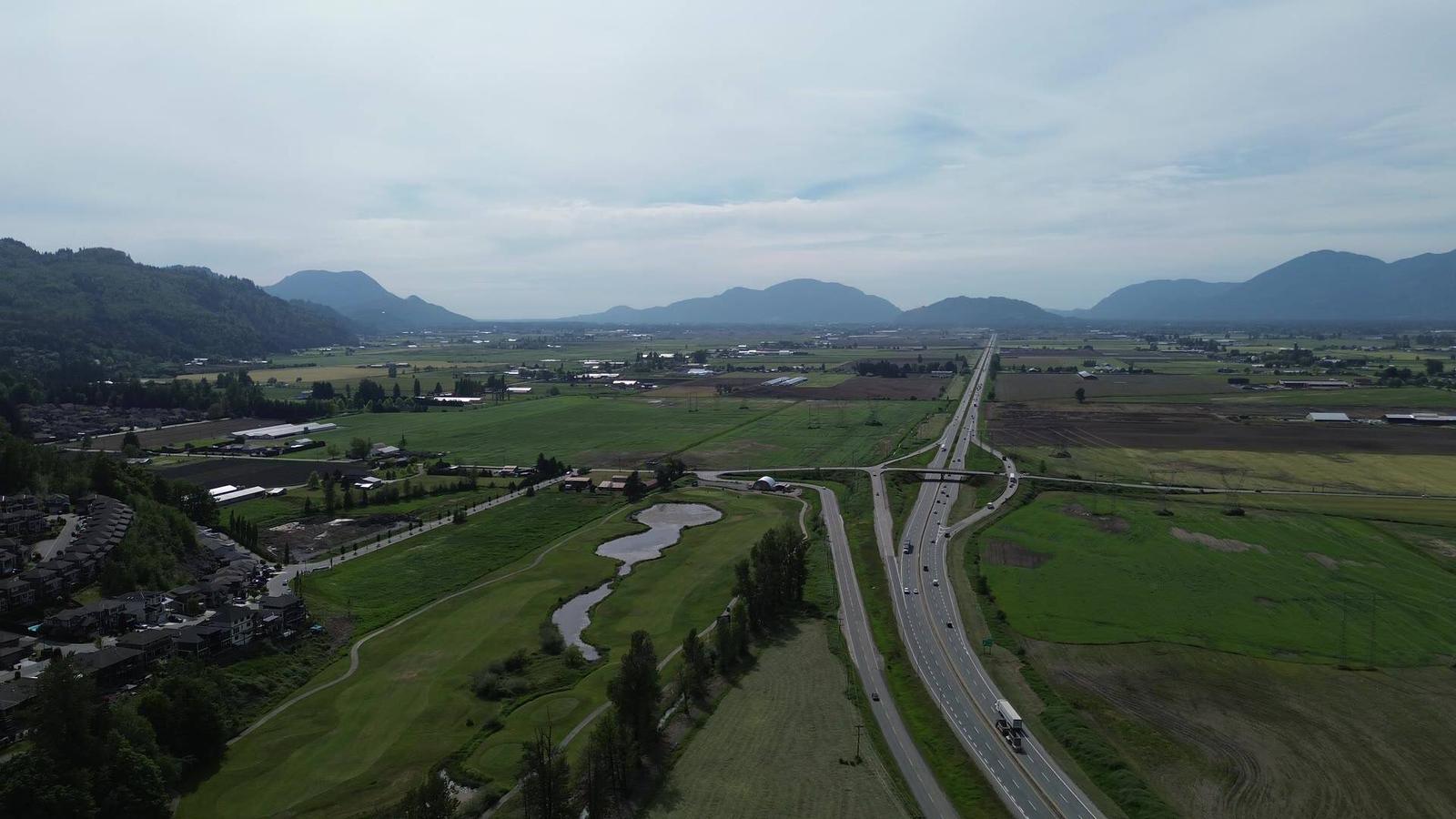
Ryder Lake is a farming plateau on Mount Thom, above Promontory and Sardis. Families have been farming up here since about 1890, and the community still gathers around the Ryder Lake Hall and the fire hall. The lake itself sits on private land, so you will not see it from the road.
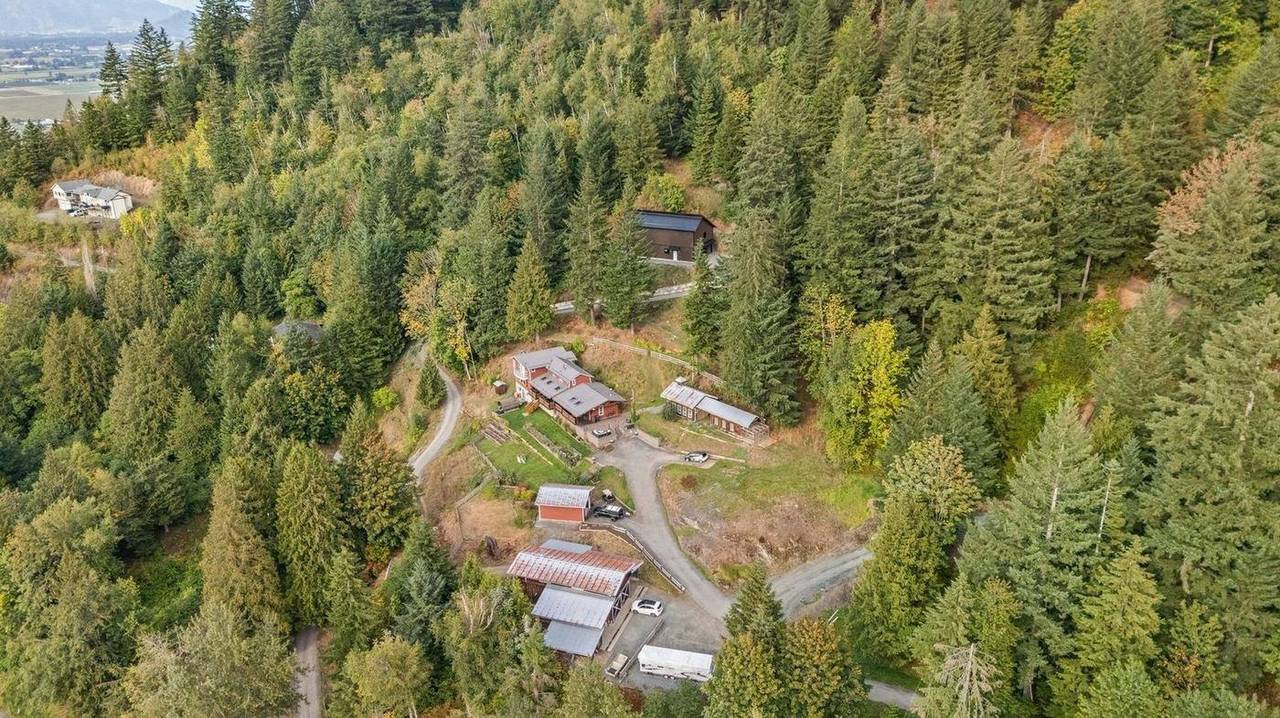
It is acreages, hobby farms and ten acre parcels with shops and barns. Downtown Chilliwack is about 19 minutes away and Highway 1 about 12 minutes in normal traffic. It suits buyers who want land, quiet and a view without a long commute. See the full Ryder Lake neighbourhood guide for current listings and price ranges.
1. Start with the well
Water is the first thing I check on any acreage. Ask the seller for these, and make your offer subject to your own review of them.
- The well record. The province keeps well records in its GWELLS database, searchable by location. A record can show the depth, the driller, the date and sometimes the yield. Older wells often have no record at all, so ask the seller what they know.
- Depth and age. Wells on the hill can run deep. The Wincott Road property, for example, has a 440 foot well. Ask when it was drilled and whether the pump has been replaced.
- Flow. Ask for a flow or pump test that shows gallons per minute over a few hours. A trickle that tests fine for ten minutes can run dry halfway through laundry day. If you plan to keep animals or water a big garden, tell your inspector so they can judge whether the yield fits.
- Storage. Many hillside properties pair the well with a holding tank or cistern. Ask where it is and how big it is.
2. Test the water yourself
A seller’s old test is a start. Order your own. HealthLinkBC recommends testing a private well for bacteria (total coliforms and E. coli) at least once a year, and testing for chemicals such as nitrates, fluoride, arsenic and manganese. Use an accredited lab, and keep the results. If the water has a treatment system (UV, softener or filter), find out how old it is and when the bulbs and filters were last changed.
3. Inspect the septic before subjects come off
A failed field is one of the most expensive surprises on a rural property. In BC, only an Authorized Person, meaning a Registered Onsite Wastewater Practitioner or a professional engineer, can design, install, repair, maintain or inspect a septic system. Hire one for the inspection. A general home inspection does not cover the septic in this kind of detail.
- Ask for the filing. Systems installed or altered since 2005 are filed with Fraser Health. You can request the sewerage system information for the property, which shows the design and where the field was approved to go.
- Ask for the maintenance records. Owners are required to maintain the system to its maintenance plan and keep a record of the work. A tidy binder of pump outs is a good sign.
- Walk the field. Know where it is before you plan a shop, a driveway or a paddock. You cannot build or park on it.
- Match the system to the house. If bedrooms or a suite were added later, the system may be smaller than the home now needs.
4. Know what the land allows
Parts of Ryder Lake are in the Agricultural Land Reserve and parts are not, and that changes what you can build and where. Ask for the zoning, check the ALR status, and ask how each building is permitted. A shop, a studio or a cabin adds real value only when it was built with permits and is allowed to be used the way you plan to use it. I go deeper on this in what to know before you buy acreage in Chilliwack.
5. Power, roads and winter
Ryder Lake sits well above the valley floor and gets more snow than Sardis. Drive it on a winter morning before you commit. Check these too.
- Power backup. A well pump needs power, so an outage means no water. A standby generator is worth a lot up here.
- Driveways and private roads. Ask who plows, who maintains any shared road, and whether there is a registered access agreement.
- Internet and cell. Coverage changes from one property to the next. Test your phone on site and ask the seller which provider they use.
- Fire protection. Ryder Lake has its own fire hall. Ask your insurer how distance to the hall and to water affects your premium.
6. Budget for the land too
Fencing, gravel, mowing, pump outs, well pumps, filters and outbuilding upkeep all add up. When I price an acreage, I look at the land, the water and the buildings as much as the house, and buyers should budget the same way. A property with a documented well, a recent septic inspection and receipts for the work will usually cost less to own in the first five years.
Thinking about Ryder Lake?
If you are buying, I will walk the well, the septic and every outbuilding with you and give you the plain version. You can see my current listing at 48625 Wincott Road, a 9.83 acre property with seven buildings and a full Property Handbook, or browse all my acreage and luxury homes. If you already own up the hill and want to know what it is worth, ask for a home value. Looking a little further out? The Chilliwack River Valley has rural properties of its own.
Questions people ask
Do Ryder Lake homes have city water?
Most Ryder Lake acreages rely on a private well and a septic system. Always confirm the water source and waste system for the specific address before you write an offer.
How often should I test well water in Ryder Lake?
HealthLinkBC recommends testing a private well for bacteria at least once a year, and right away if the colour, clarity or taste changes. Test for chemicals such as nitrates and arsenic when you buy and on a regular schedule after that.
Who can inspect a septic system in BC?
Only an Authorized Person, which means a Registered Onsite Wastewater Practitioner or a professional engineer, can inspect, maintain or repair a septic system in BC.
How much does an acreage in Ryder Lake cost?
At the start of October 2026, detached homes in Ryder Lake were listed between about $950,000 and $2.2 million, with a median asking price around $1.04 million. Asking prices are not sold prices, so ask me for recent sales.
How far is Ryder Lake from Chilliwack?
About 19 minutes to downtown Chilliwack, 16 minutes to Cottonwood shopping and 12 minutes to Highway 1 in normal traffic.